
“Salt and Smoke” is the best second act on Broadway right now, housed inside a first act that still hasn’t decided what kind of show it wants to be.
Dev Almeida’s score is the first thing you need to know. Written in a register somewhere between gospel and jazz noir, it does something that very few scores manage: it gives you the period without locking you inside it. The orchestra, conducted with particular authority by Yolanda Ferris, sounds like it was assembled specifically for this music — which, to be fair, it was, but you don’t always feel that. You feel it here. The brass section in “Forty Winters Gone” played the room into absolute silence. Not polite silence. The kind where people stop remembering they’re in a theater.
Valentina Reyes plays Celestine Mouton, who builds a Harlem supper club from a borrowed stove and four decades of surviving. Reyes is one of those performers who seems to exist slightly outside of time onstage — her voice has that quality that great musical theater voices have, where the technique disappears and you just hear the character. There’s a moment in “The Last Table,” deep in Act Two, where she holds a note and then drops it on the word “gone” like she just set down something heavy. I have been thinking about it since I left the theater.
So why am I giving it three stars instead of four? Because the first act, mija, needs a director with a firmer hand. Noel Marchetti has done extraordinary work shaping the second act into something coherent and devastating, but he seems to have let Act One wander. The show opens with a scene between Celestine and her estranged son, played by Marcus Thibodeaux, that should land like a gut punch. It lands like a suggestion. Thibodeaux is a gifted actor — I have watched him work before and I know what he can do — but the scene as staged has no spine. They circle each other on an empty platform while projections cycle through sepia photographs, and the effect is more pageant than theater.
The scenic design, by Adaeze Okonkwo, gets better as the night goes on. Act One is overly reliant on a turntable that keeps rotating the supper club in and out of view, which might be meant to suggest the passage of time but mostly suggests that someone fell in love with a concept before figuring out what the scenes needed. By Act Two, the supper club is planted center stage and stays there, and the whole production settles into itself. Turns out the show needed to stop moving to start breathing.
There is also a subplot involving a record producer named Gio Bassett — played with considerable charm by Theo Navarro — that the book does not quite know what to do with after Act One. He disappears for most of the second half and returns for a scene that functions like an apology. Cut it or commit to it. The material is there.
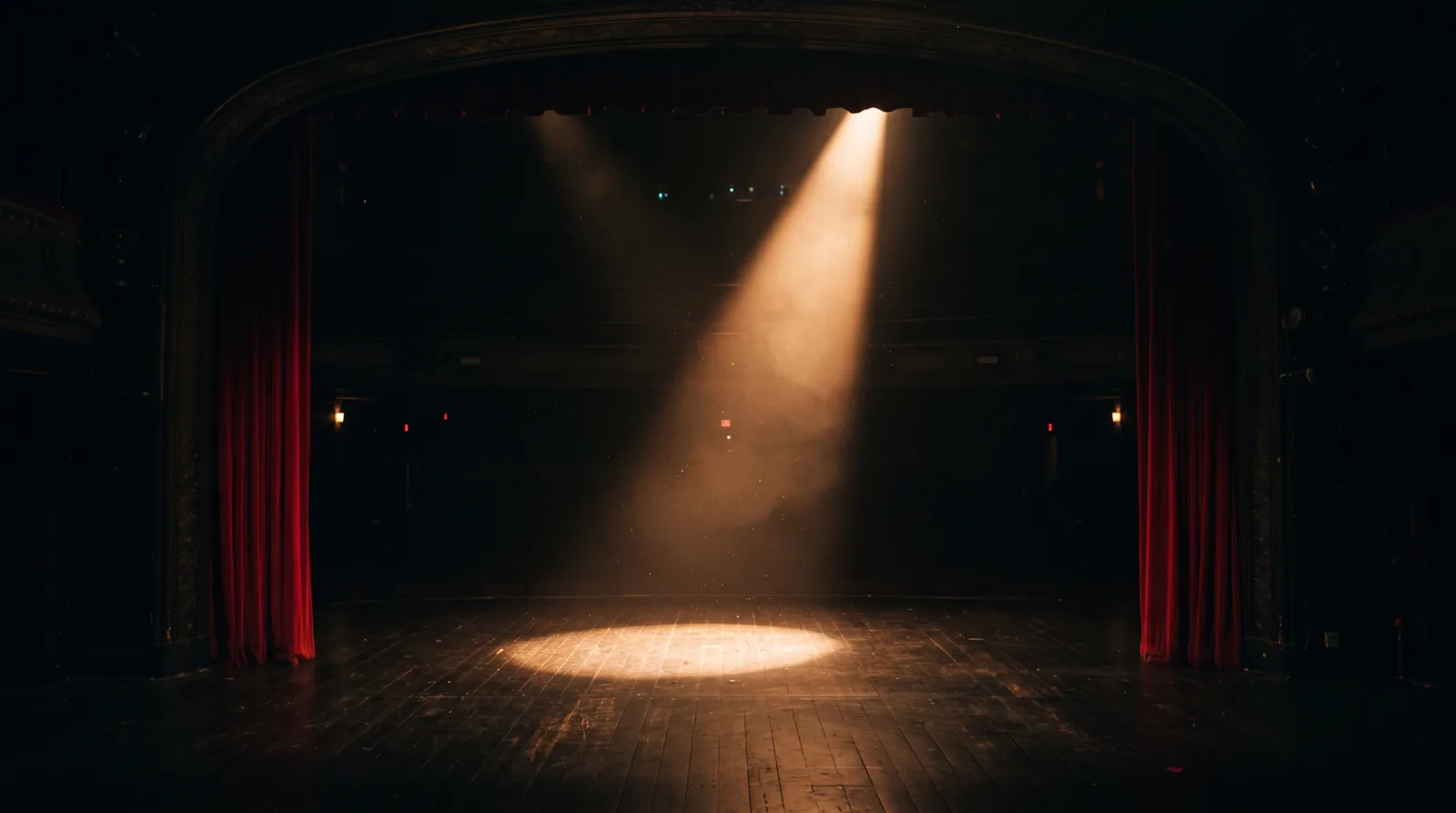
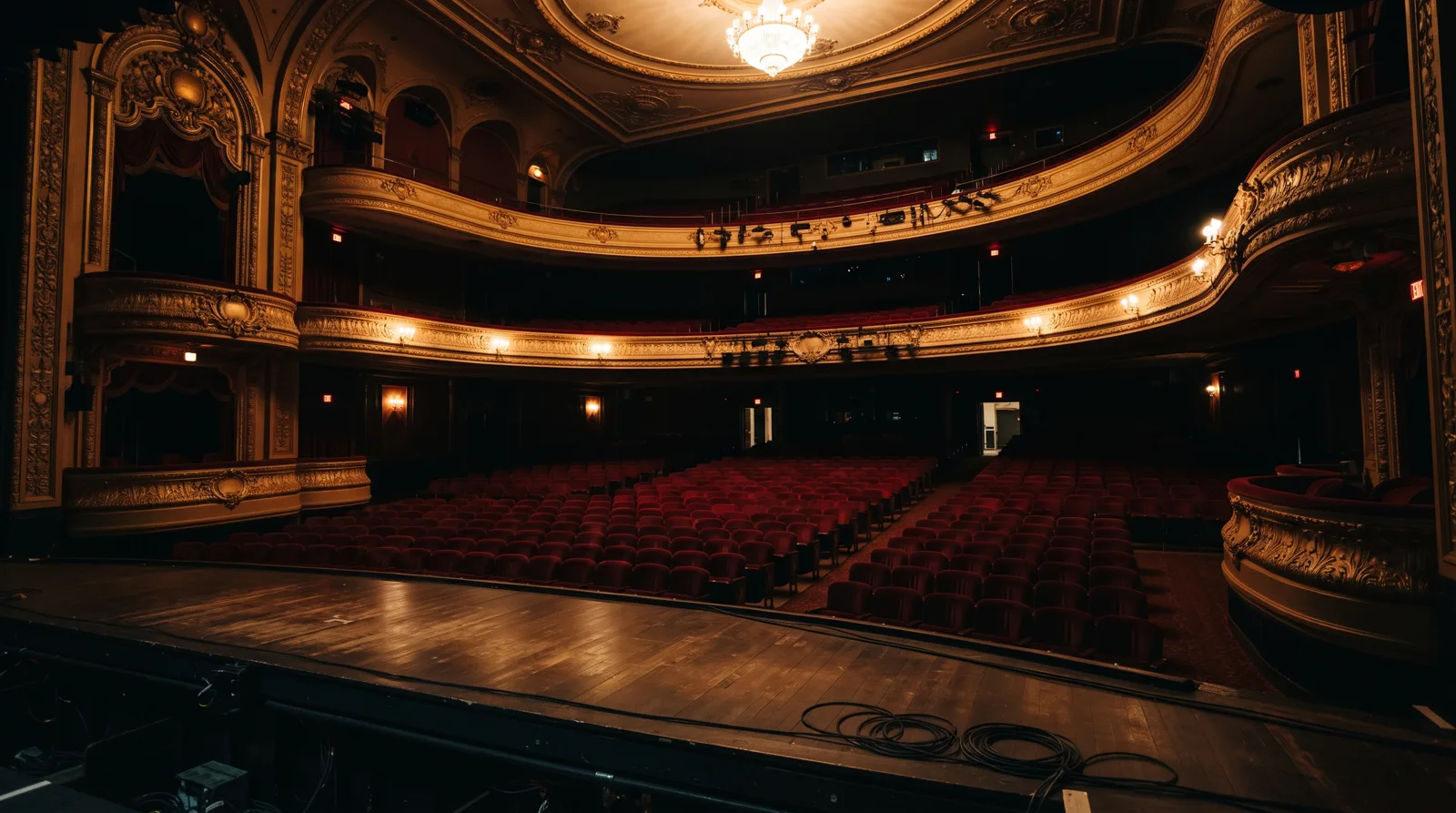
But here is the thing I want you to understand: the second act of “Salt and Smoke” is the reason you buy theater tickets. Celestine’s late-night reckoning with the choices she made — staged in near-darkness with a single amber wash from above — is the kind of theater that makes the tourist two rows ahead of you forget to check his phone. I watched people reach for their partners’ hands. I watched a woman press her fingers to her mouth. When the final image landed, the Aldridge went silent for one full beat before the applause started. That’s not stagecraft. That’s the real thing.
You should go. Go for Reyes, go for the score, go prepared to spend intermission wondering whether the first act is going to come together — and then let the second act make you forget you ever wondered. Book it before the word of mouth makes this impossible to get into. It’s already close.
Estamos aquí.