This is a great musical that doesn’t know it’s great for the first forty minutes. But when it finally decides what it is, the Hartwell goes quiet in that specific way — the way where you can hear the person next to you stop fidgeting — and The Ferryman’s Daughter becomes something close to necessary.
Simone Tremblay’s production is built on a score by Eloise Chen that works the way the best musical theater scores work: you don’t notice the craft until you’re already crying. The harmonics she builds in the second act, particularly in the trio “Deep Water,” arrive with that rare combination of melodic inevitability and surprise. You feel like you’ve always known this song. You’ve never heard anything like it.
But first — mija, we need to talk about Act One.
The show opens with Adaeze Okonkwo’s Clara arriving at the Baltimore ferry docks in 1923. Okonkwo is extraordinary. She has a voice that does the thing great musical theater voices do, where the technique completely disappears and all you’re left with is the emotion underneath it. In “River and Shore,” her opening number, she cracks on a single note in a way that is not an accident — it is a performance choice that costs her something real, and the crack is devastating. She is the best reason to go. She is also the clearest proof that the first act is failing her.
Director Tremblay has made a strategic choice to hold back the emotional weight — to dole it out slowly, to build atmosphere. There is nothing wrong with this approach in theory. In practice, it makes the first hour feel like treading water. We have a ferry. We have a daughter. We have a father — Marcus Clay, doing patient and understated work in a role the script underserves badly — and we have a lighting design by Henri Fauché that is beautiful in a completely inert way. Three different boat-rocking set transitions, each one technically impressive, none of them landing. I understand the craft. I wanted the show to trust stillness.
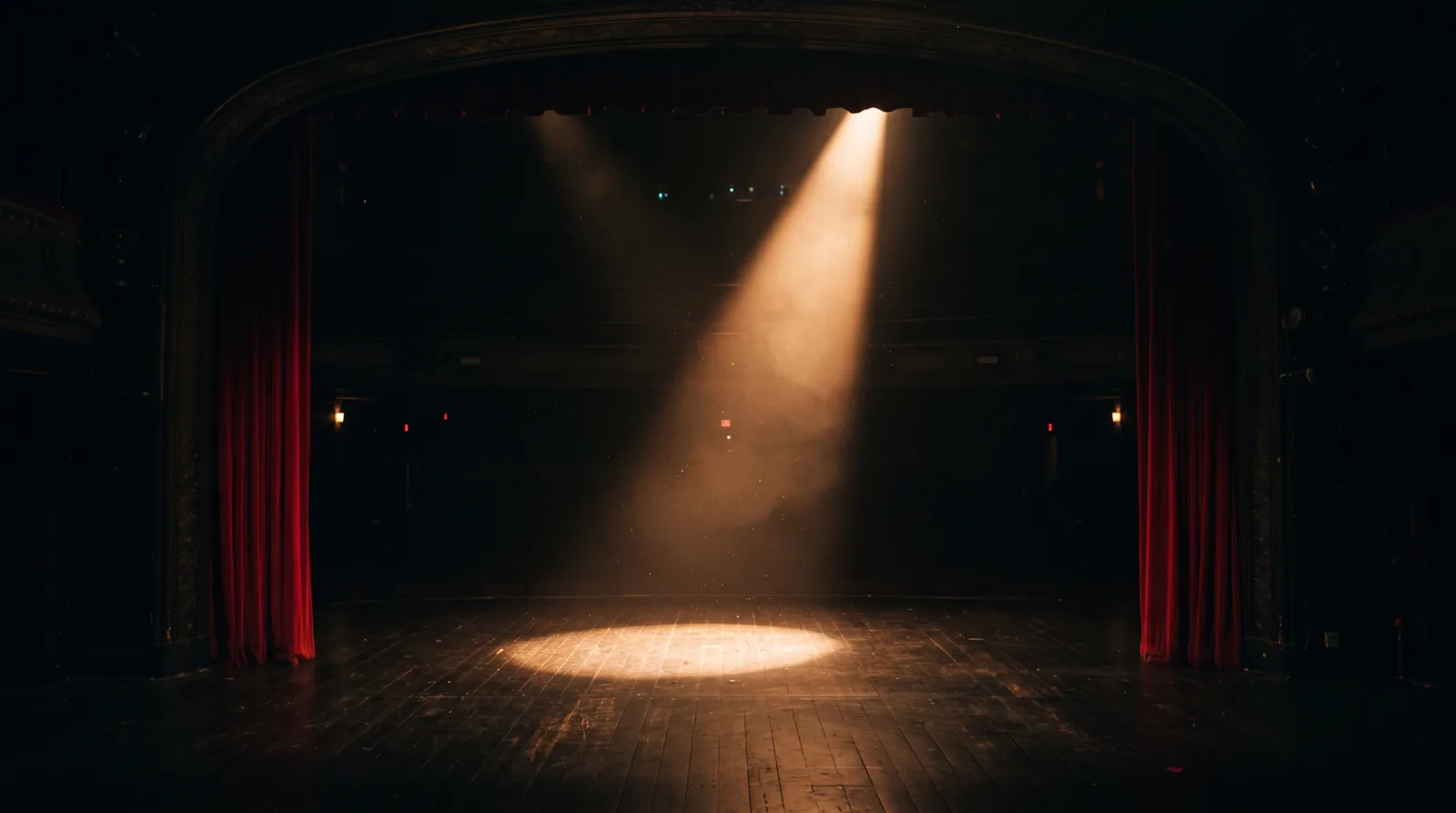
The pivot is the intermission break, which is a strange place to put your transformation. The second act opens with Clara alone on the dock in a single amber follow spot — no set change, no announcement — and Okonkwo begins “The Crossing” and the whole room shifts. I watched a woman three rows ahead of me reach for her companion’s hand without looking at her. That is the thing you cannot manufacture. That is the show.
Clay gets his due in the second act too, in a scene between father and daughter that is the kind of quiet that makes big Broadway houses feel intimate. He does nothing actorly. He just stands there and loses his daughter and you believe every second of it. It is the kind of performance that exists in your peripheral vision for the first act and then steps into direct light and you realize he’s been there the whole time, doing the work.
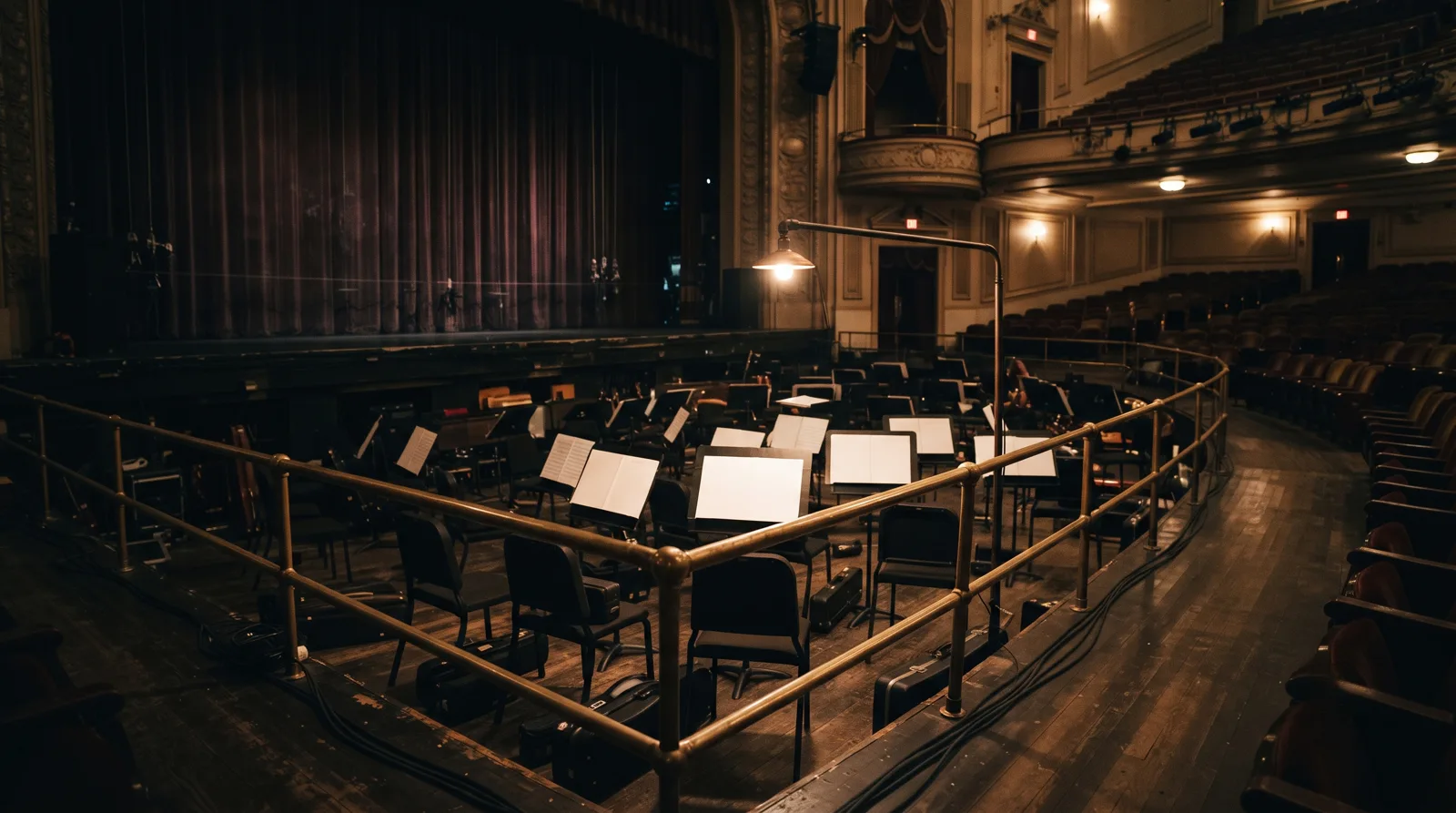
The score, which felt constrained in Act One, opens up completely. Chen writes with a jazz harmonic language that keeps gesturing toward resolution and then pivoting somewhere unexpected. It is not showy. It is structural. By the final sequence, the orchestra — conducted with fierce precision by Yara Mello — is doing something genuinely sophisticated with the themes you heard at the top of the evening, and the integration of score and story becomes seamless.
Look — you should go. You should go because the second act is the reason we keep buying tickets, and because Adaeze Okonkwo’s performance in “The Crossing” is one of those things you will try to describe to people later and fail to do justice. Get there before word fully spreads and the tickets get complicated. Arrive with some patience for a first act that is still finding its current. This is a show with a real reason to exist, and the second half makes the case completely. I’ll take a beautiful slow start over a slick nothing every single time. Estamos aquí.