
“Magdalena” is not quite great. It is close enough that the gap will drive you a little crazy — or past it entirely, depending on how much patience you’re willing to bring to a first act that has not yet figured itself out. Soledad Vega has not been onstage in eleven years. You feel every one of them the moment she walks out.
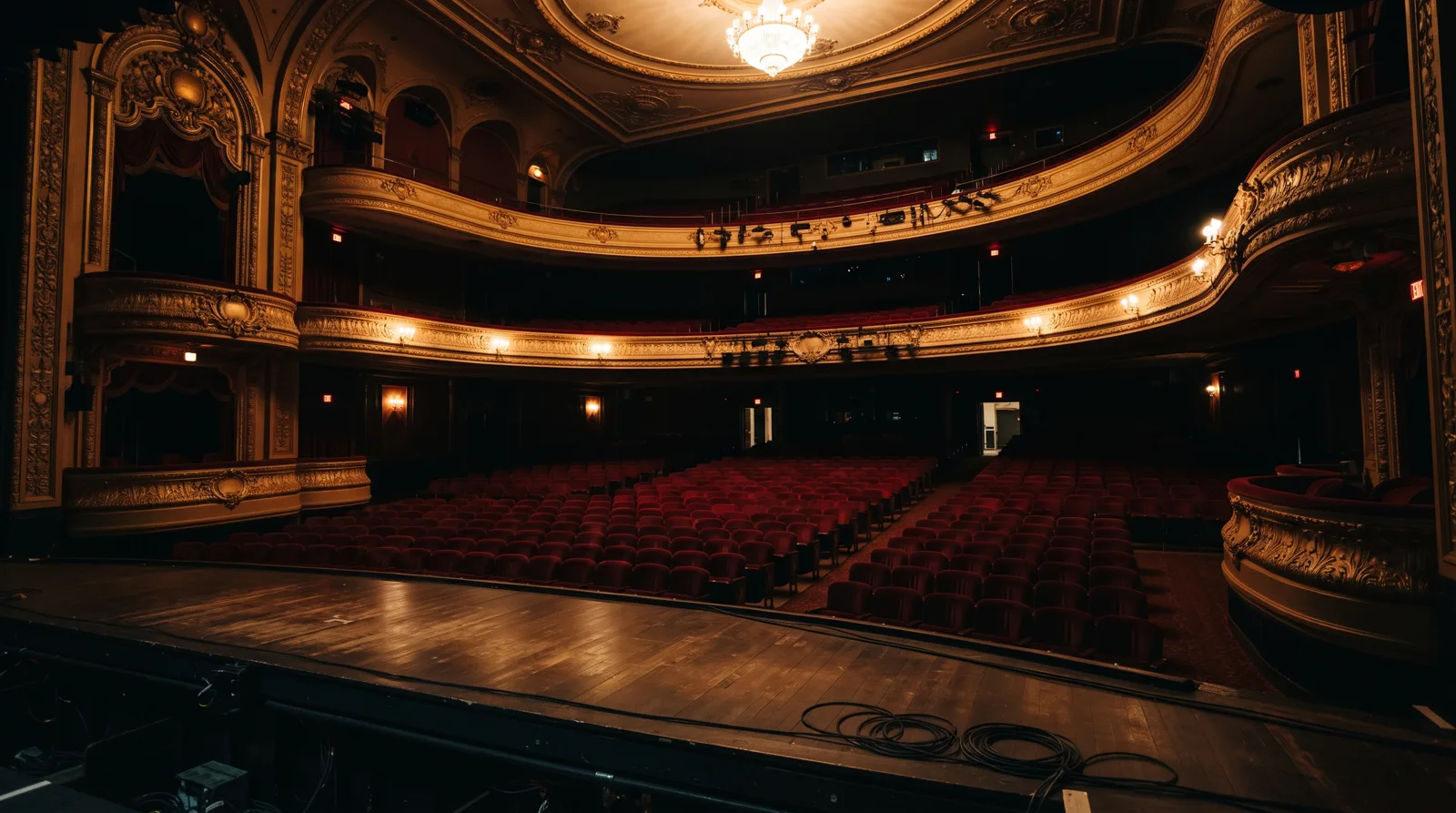
The new musical at the Cornelius Theatre, which opened last Thursday, was built around Vega’s return — and to Marta Delgadillo’s credit as bookwriter, she wrote a show that actually needs Soledad Vega in it, not just one that benefits from having a name above the title. The character, a bolero singer named Luz Magdalena Cruz who vanished from view after a fabricated scandal swallowed her career, could have been pure nostalgia trap. Director Raúl Ferrante and Vega conspire to make it something stranger and more honest than that.
The first act is the problem, and it is a real one. Delgadillo is doing something ambitious — building the architecture of a comeback story while simultaneously deconstructing the mythology the industry built around Magdalena in her absence — but she is trying to do two things where one would be enough. Ferrante has staged the flashback sequences with a visual clutter that undercuts rather than deepens them. The set, a gorgeous central rotating structure designed by Helena Voss that splits between a backstage dressing room and an empty stage within the stage, is beautiful and smart — but in Act One, the rotation happens so often, with so little variation in the lighting cues, that the geography of the story blurs. I lost track of which Magdalena I was watching: the young singer of twenty-three, or the woman of forty-four who has come back to finish something. That confusion is not productive ambiguity. That is a staging problem.
Act Two, mija, is a different show entirely.
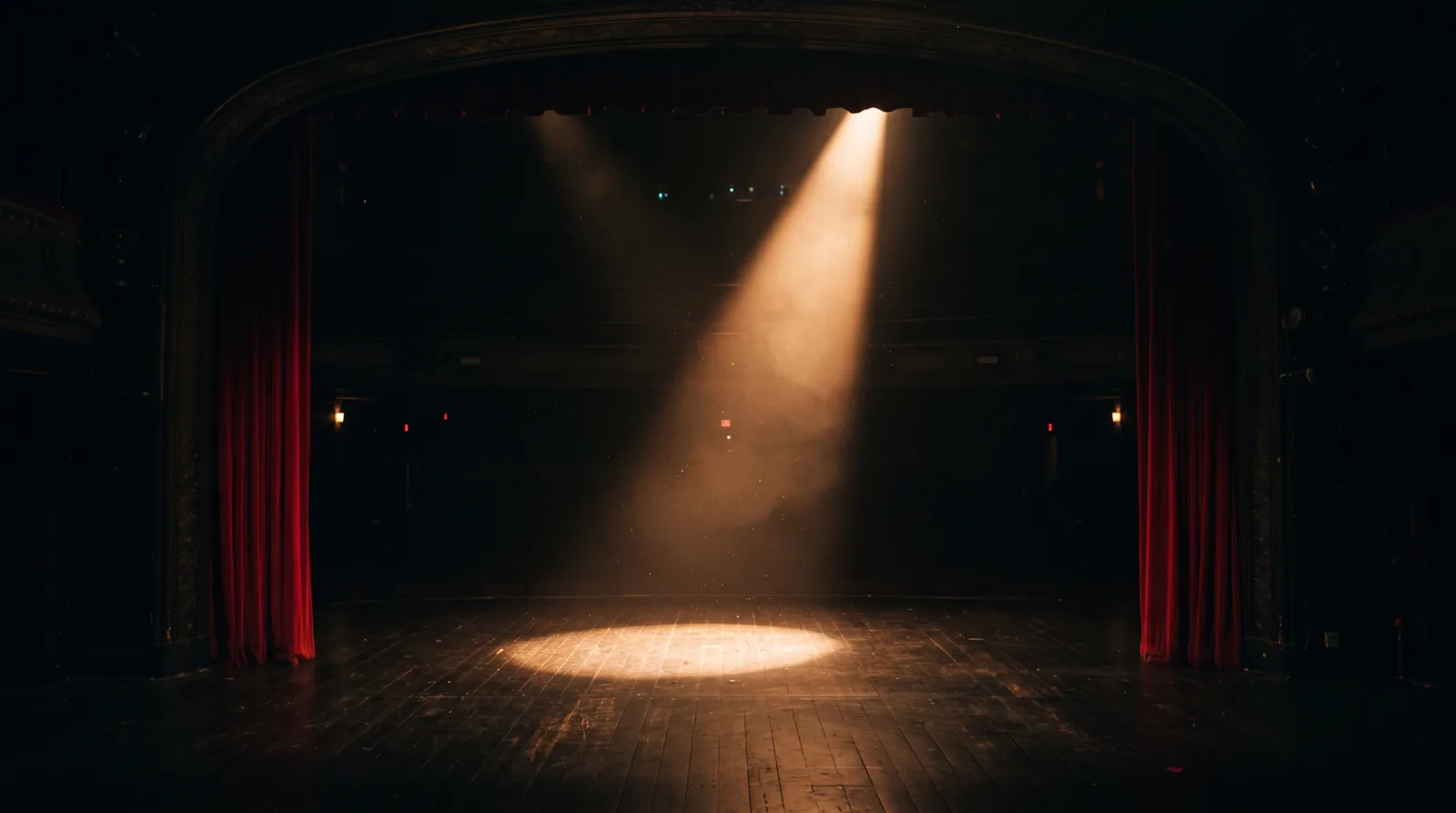
The transition happens with a single lighting choice — the house goes full dark except for a narrow follow spot on Vega, who is sitting alone at the front of the thrust, and Theo Wren’s orchestra drops out completely for thirty full seconds of silence. The audience, which had been politely engaged up to that point, suddenly stopped moving. I heard the woman in 3D stop unwrapping her candy. That thirty seconds of silence is the best direction Ferrante has delivered this season, and what it communicates is precise: everything before was permission, not promise.
What Vega does with “Seventeen Aprils,” the Act Two centerpiece, is the reason to buy a ticket. She doesn’t play the emotion of the song — she plays the suppression of it, singing through what looks like physical effort at containment, and then she lets one note arrive without armor, just before the modulation, and it lands like a door coming off its hinges. The orchestra swells behind her, yes, but it is almost beside the point. The audience gasped. Genuinely gasped — the involuntary kind, not the courtesy kind. That is rarer than people pretend.
Her scene partner, Daveon Marsh, playing the impresario who first believed in Magdalena and then abandoned her, earns his place in that room through restraint. The final confrontation reads as guilt rather than coldness, which is the correct interpretation, and which takes serious calibration when you’re standing next to Soledad Vega and the direction of the scene keeps pulling focus to her. He’s doing less. It is the right call.
There is a version of this show that a lesser production would give you — Magdalena Cruz elevated to myth, the audience simply asked to worship from a distance. Ferrante and Delgadillo are not interested in that. They are interested in the harder question: what do you owe to the art you abandoned, and what does it owe you back? The first act only partially earns the right to ask it. The second act earns it completely, and with interest.
Go. Go for Soledad Vega, who has returned to Broadway with something to prove and who proves it in the way that actually counts — not by reminding you what she used to be, but by showing you what she has become. Bring patience for the first act. What it’s building toward is worth every stumble.
Estamos aquí.