
The second act of The Saltwater Gospel at the Meridian Theatre is the finest sustained forty-five minutes of new musical theater I have seen in two seasons. I want to say that first, before I tell you everything that is broken, because if I lead with the problems you will not go, and you need to go.
The show is built on a story that deserves its stage: three women running a lighthouse off the New England coast in 1923, bound together by necessity and quietly by something deeper. Book writer Florinda Cascio has constructed something structurally unusual — the women don’t argue, they negotiate, they absorb — and that restraint is both the show’s great virtue and, in Act One, its trap. The restraint reads as patience when you need it and as inertia when you don’t. The first thirty minutes especially feel like a play that hasn’t decided yet what it wants to be.
Composer Delia Vásquez-Holt writes scores that know their architecture. That’s specific — I don’t just mean the songs are good, though they are. I mean she understands what a score is supposed to do underneath the text, and The Saltwater Gospel has the harmonic intelligence of a show that has been lived with. The title number, which arrives at the end of Act One, is the kind of song that makes an audience hold still without quite knowing why. I watched a woman two rows in front of me stop texting. She didn’t pick her phone back up until intermission.
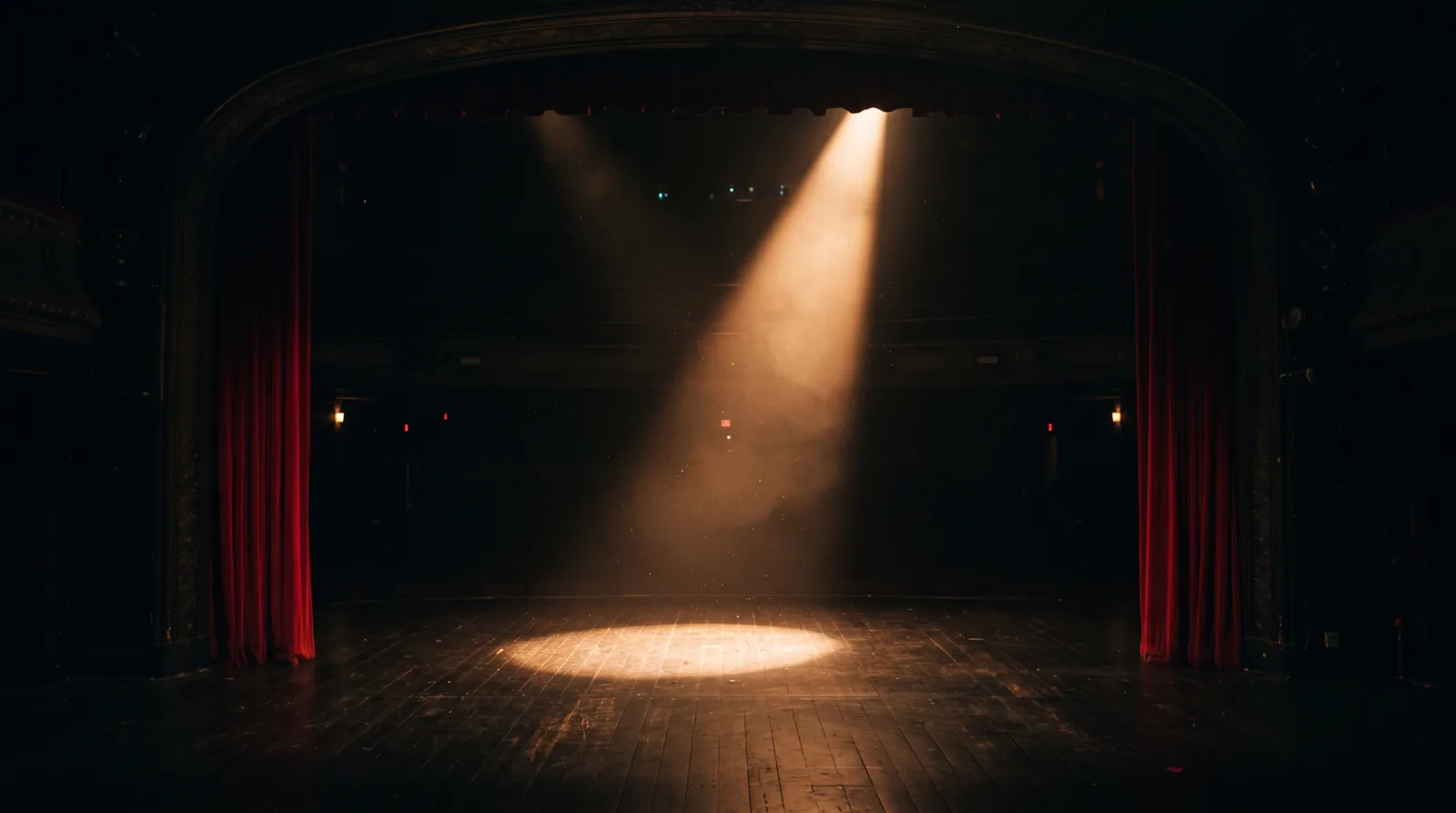
But here’s where we land, porque it has to be said: director Rafael Santorini has staged Act One as if the stakes are already established, and they are not. The central tension — whether Marta, the eldest keeper, will reveal a secret about the lighthouse’s last crew to the woman who has come searching — gets buried under beautiful picture-making. Santorini is exceptional at image composition; the set from designer Yuki Ohara is all salt-bleached timber and practical lantern light that shifts with the time of day in ways that feel genuinely cinematic. But beauty doesn’t carry stakes by itself. When the confrontation between Marta and the investigator finally arrives late in Act One, it should split the room open. It doesn’t — not yet. We haven’t been given enough reason to fear it.
And then the lights go down, intermission ends, and Cecilia Boateng walks back out onto that stage and proceeds to dismantle the whole building.
Boateng plays Marta with the kind of interior control that makes you forget she is acting. The technique is so clean it vanishes. When she delivers the confession at the top of Act Two — seated, very still, the lantern behind her the only light source on the stage — the Meridian went so quiet I could hear the person next to me breathing. That is not an exaggeration. That is what a great performance does to a room. Her voice has that quality that the best musical theater voices have, where the technique disappears and you’re left with something that doesn’t demonstrate the emotion, it arrives inside it. The number “Four Years of Weather” will be sung in audition rooms for a decade.
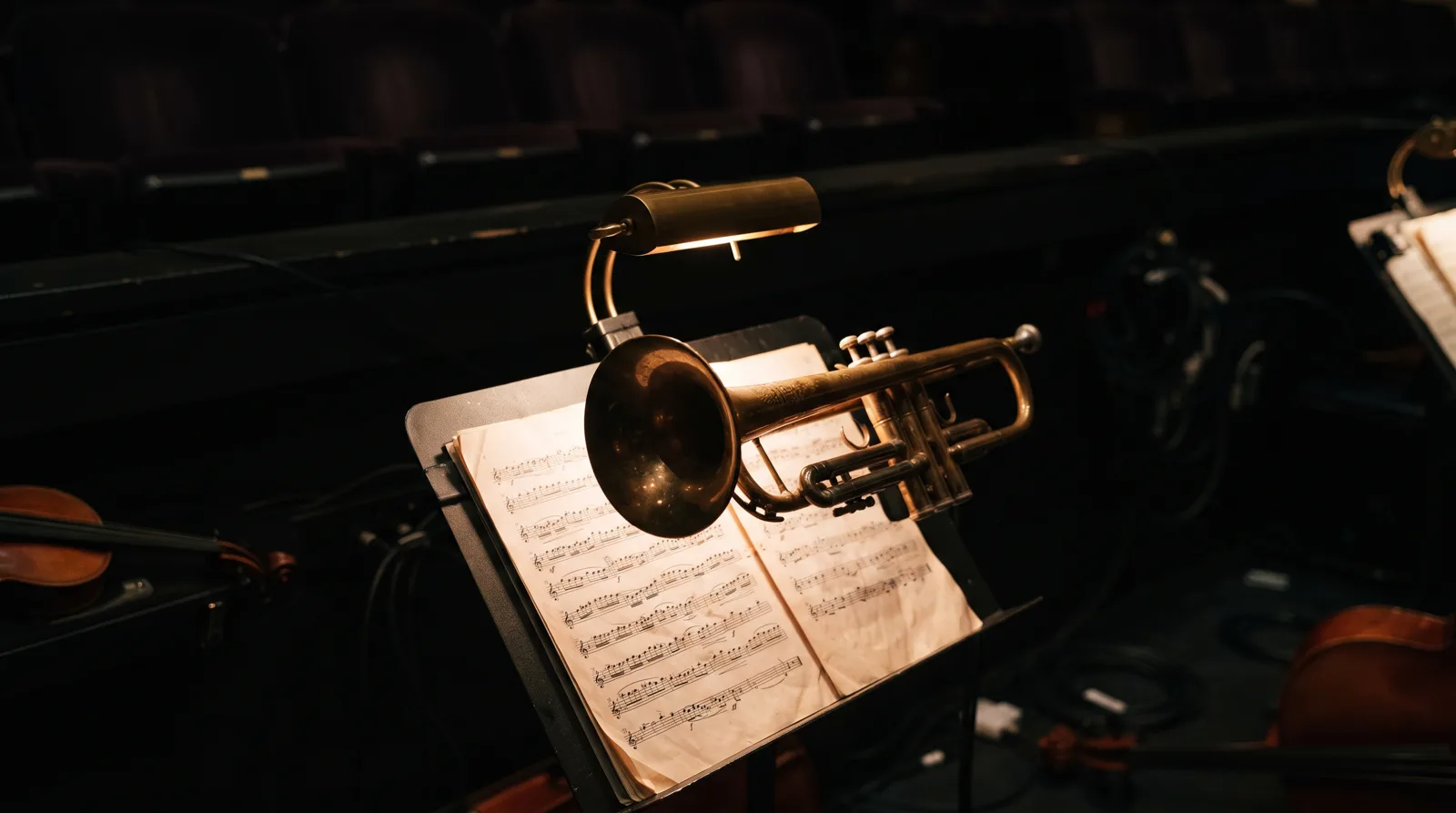
The rest of the company is strong. Analía Ferreyra, as the youngest keeper Papi, brings a fizzing offhand humor to her material that provides crucial relief, and her late-show duet with Boateng lands with a force the first act kept promising. The orchestra under musical director Gwen Tranh-Osei plays as if they love this score — which they should, because it rewards loving.
Look — here’s what I need you to understand. The Saltwater Gospel is imperfect and it is worth your time. Act One will test your patience. Act Two will pay you back with interest, and then some. The kind of musical this wants to be — quiet, rigorous, built around women who don’t perform their grief for the audience’s comfort — is rare enough on Broadway that its imperfections feel like a negotiation with ambition rather than a failure of it.
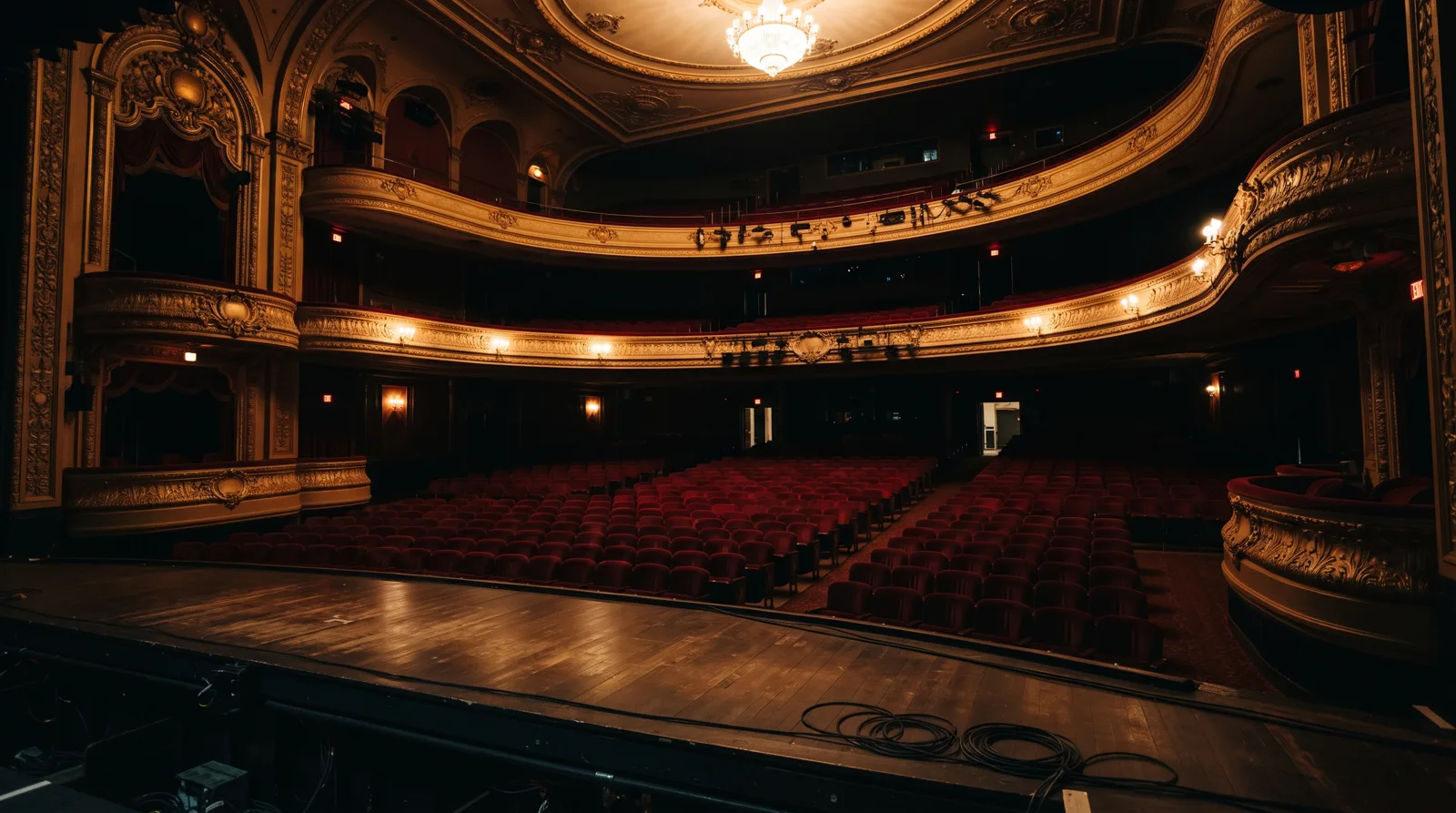
Get a seat before this run finds its audience and the tickets become impossible. Spring for the orchestra — you want to be inside the sound when “Four Years of Weather” arrives, because Cecilia Boateng is going to make you forget to breathe, and you’ll want every advantage you can get.
Estamos aquí.