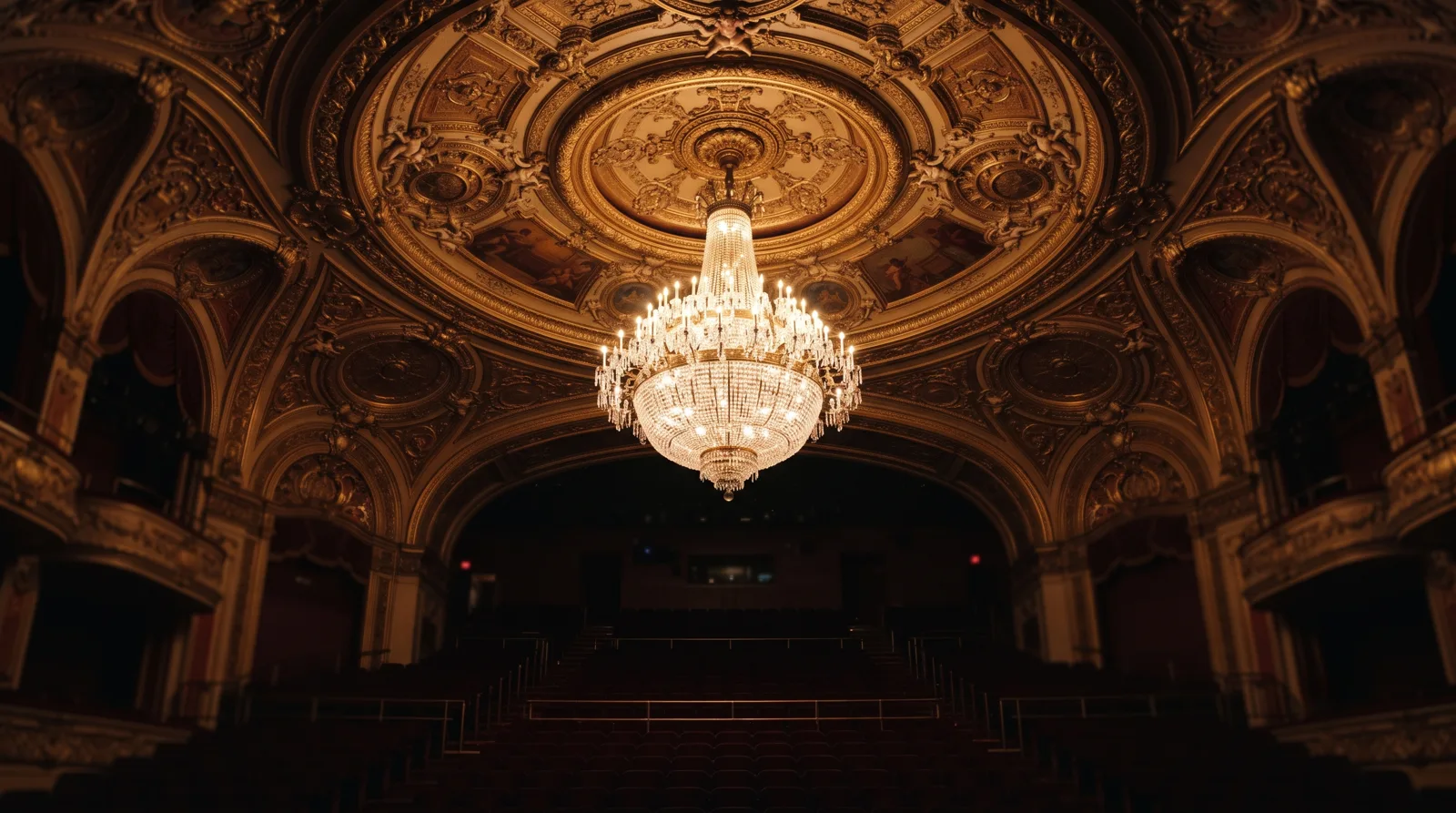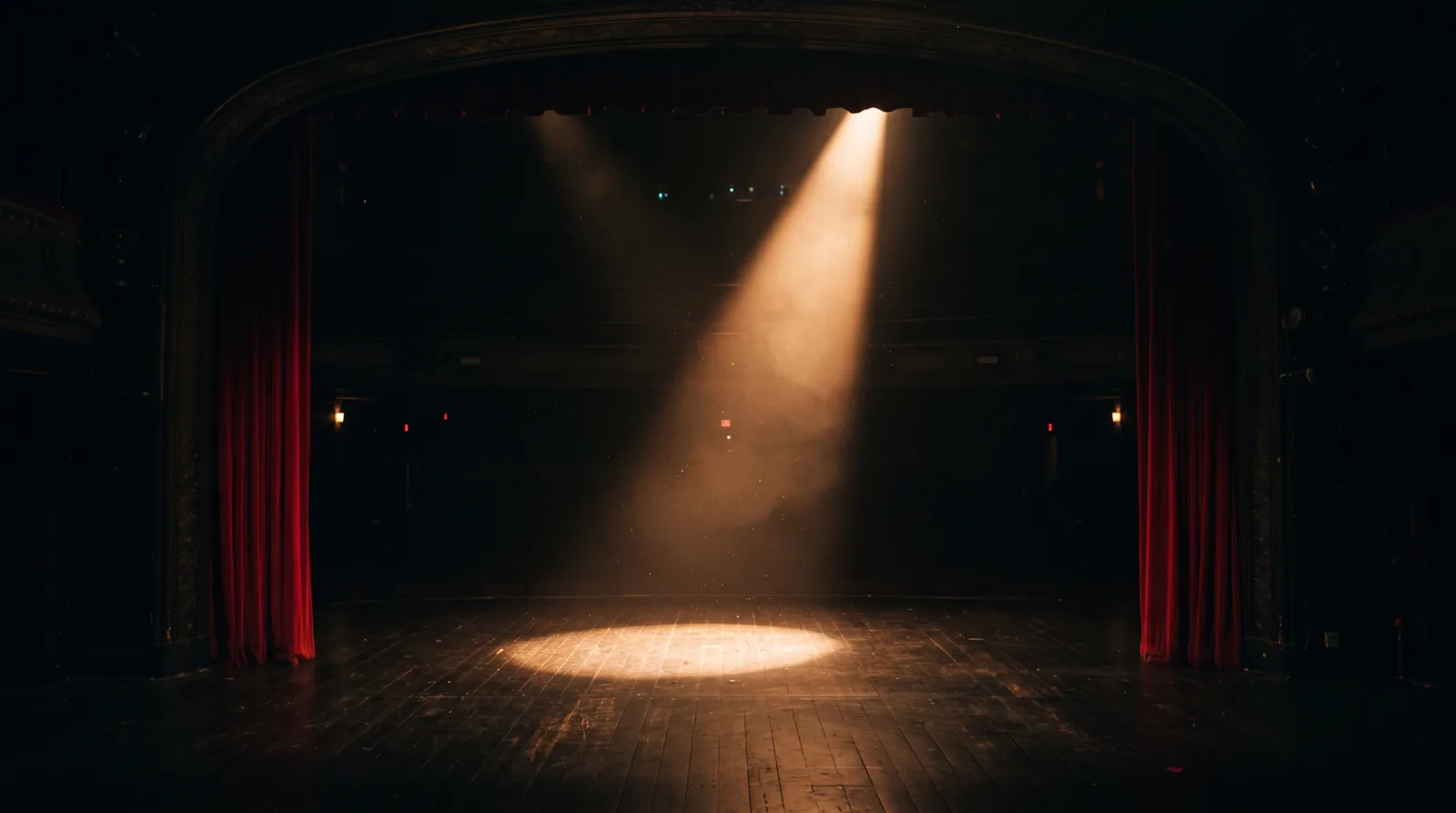

The Dunmore Workshop’s production of “The Littoral Register” opens September 12, and the question Cressida Abara has baked into its formal structure is not a comfortable one: what does verbatim theater owe to the people it borrows from?
Abara spent three years on this script, and you can feel the weight of that accumulation in how it’s built. It begins in the tradition of Anna Deavere Smith. Transcripts, interviews, courtroom testimony, the established architecture of the documentary play. The subject is a coastal land rights dispute in the Gulf South. The first thirty minutes operate exactly as you expect: rotating narrators, direct address, the careful rhetorical rigor of the form. Then Abara does something that Smith never attempted and that most verbatim playwrights lack the nerve to try. She lets the structure collapse.
Not chaotically. Deliberately. The testimony begins to contradict itself not because the witnesses are lying but because the play has decided to interrogate what testimony means as a theatrical act. By the second act, we are watching characters become aware that they are in a play about them, without the play ever announcing this as a conceit. The Brechtian mechanics remain invisible until they are suddenly the only thing in the room. Director Nnamdi Osei has understood this precisely: the production design, by Anke Baumgarten, begins in aggressive naturalism and degrades incrementally into something that resembles a deposition room that has been dreaming.
What the collapse is actually arguing is something close to this: the people a documentary play serves are not the same people it renders legible. Abara is asking a version of the question Moisés Kaufman posed with “The Laramie Project” but from the inside out, not what theater can do with testimony but what theater does to it. The Gulf South land dispute at the center of this play is not a metaphor. The form is the argument.
The cast includes Mira Patel-Sohn and Jerome Langford in the central roles of a mother and an insurance adjuster who gradually understand they are occupying the same structural position in the play’s argument. Both actors, based on early workshop showings, are doing something precise: they are playing people who are also performing people, without telegraphing the seam.
Abara’s limitation, if workshop reception is any guide, is that the play’s final image arrives a beat too late and in borrowed language. The formal collapse she has engineered is genuinely new territory. But the closing gesture sits inside the Suzan-Lori Parks vocabulary in a way that is not unfair as an influence but that means the play ends in someone else’s idiom at the exact moment it most needs to find its own. That is a specific problem and it is worth watching the full run to see whether she has resolved it.
The fall downtown season is genuinely crowded, which is a good problem. Five productions are already on my September list. “The Littoral Register” sits at the top because it is attempting something structurally new with a form that too often mistakes authenticity of source material for theatrical achievement. The Dunmore Workshop holds seventy seats. Tickets are available now. Go before the run sells out. It will.