
The Carrington hasn’t buzzed like this in three seasons. “The Copper Wheel,” Fenwick Colbourne’s 1973 musical about labor and longing in a Pittsburgh steel town, never got the revival it deserved, and tonight, forty minutes in, I understood exactly why this material waited. It was waiting for Celestine Mbaye.
Mbaye makes her Broadway debut here after two seasons at the Meridian Rep in Philadelphia, and I want to be precise about what she does in Act One’s “Before the Whistle,” because it is not what you expect. The song is traditionally belted into the rafters. Mbaye holds back. She finds the quiet underneath the anger and lets it build so slowly that by the time she finally opens the throttle in the final sixteen bars, the woman sitting behind me started crying before the lyric even landed. That is the specific thing great musical theater voices do: they make the technique disappear. Mbaye’s has already disappeared.
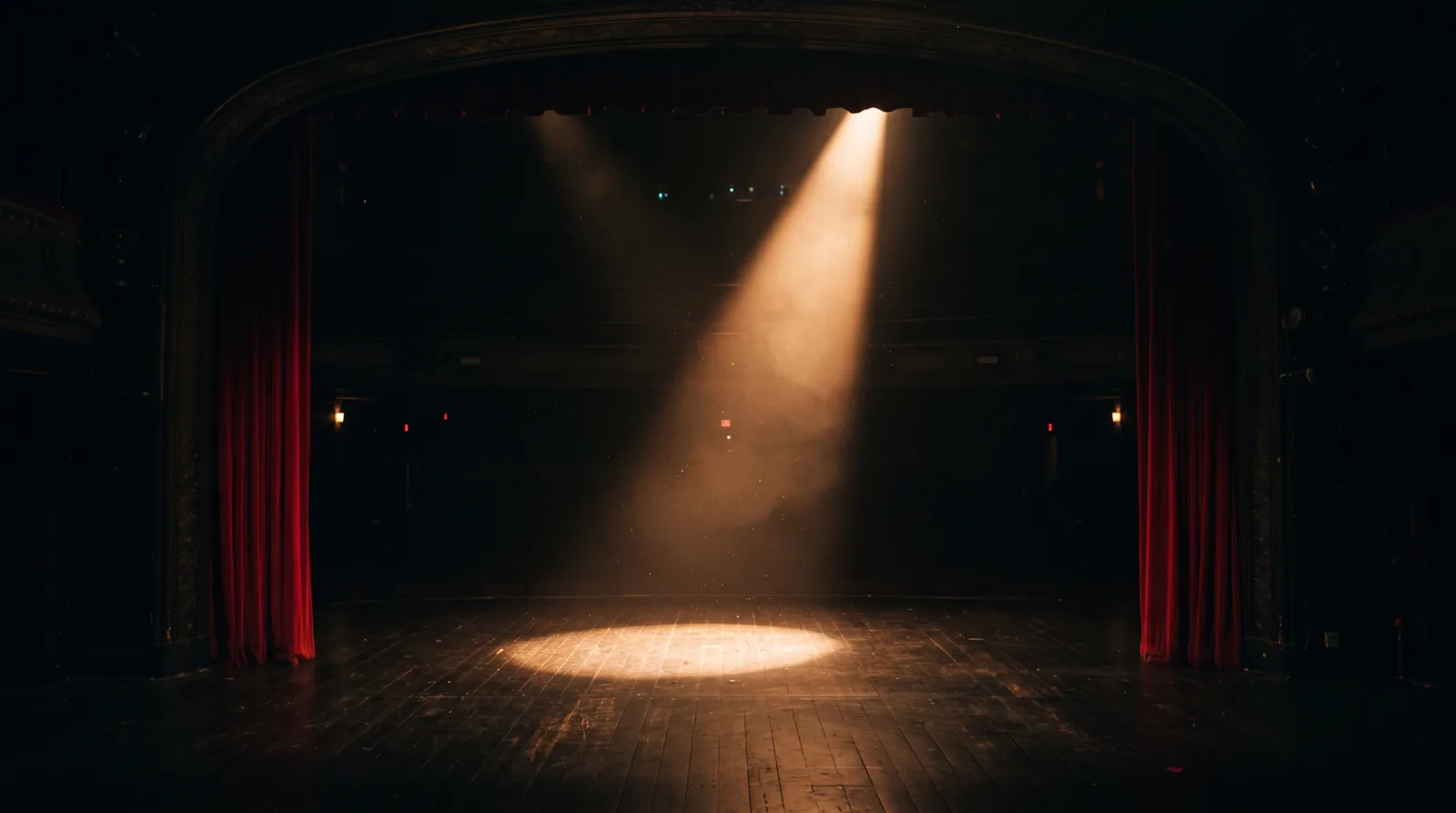
The production itself is Fernanda Okafor’s sharpest work yet. The set, designed by Marcus Teng, strips the show down to steel grating, hanging chains, and one enormous rotating platform that becomes the mill floor, the union hall, the front porch, and the kitchen in seamless transitions that the Carrington’s crew executes with serious precision. The lighting is doing more than atmospheric mood. Cinematica Ramos’s design uses hard industrial spots to isolate characters from the ensemble in ways that read almost like cinematic close-ups, and it pays off in the second-act confrontation scene, where Mbaye and co-star Darnell Achebe are each lit like they’re the only person left on earth.
Pero, the first act has problems. Okafor stages the first two numbers with a kind of dutiful pageantry that doesn’t trust the material to land on its own, and the ensemble feels mechanical in those opening twenty minutes. Colbourne’s book is specific and unglamorous, which is exactly why it works, but the production seems nervous about that specificity at first, decorating it with unnecessary business. The scene where the plant superintendent delivers the layoff notices is staged like a showstopper when it should feel like a gut punch. It gets applause. It should get silence.
That reverses completely by the end of Act One. The second act is committed, detailed, and alive. Achebe, who I had not seen before tonight, delivers the kind of supporting performance that makes every scene feel like the most important scene in the show, and he never does it at Mbaye’s expense. They are genuinely in the room together, which is not something you can rehearse your way into. Either the chemistry is there or it isn’t. It is very much there.
The audience knew. You could feel the room recalibrate halfway through Act One, when it started trusting what it was watching. By intermission, people were staying in their seats, talking to each other about what they’d just seen. That is the test. When an audience would rather discuss what they just watched than wait in line for a seven-dollar water, you have something real.
You should go. Go because a revival this willing to excavate an overlooked show and treat it like it matters right now is genuinely rare, and because Celestine Mbaye is a name you need to know before the awards season decides it for you. Get there in the first few weeks, while the production is still settling into its best self. Okafor has adjustments left to make in Act One, and I believe she will make them. The core of this show is already true. Mbaye is already extraordinary.
Ay, bendito, I’ll be back next week for my second look. That tells you everything.
Estamos aquí.