

Carmen:
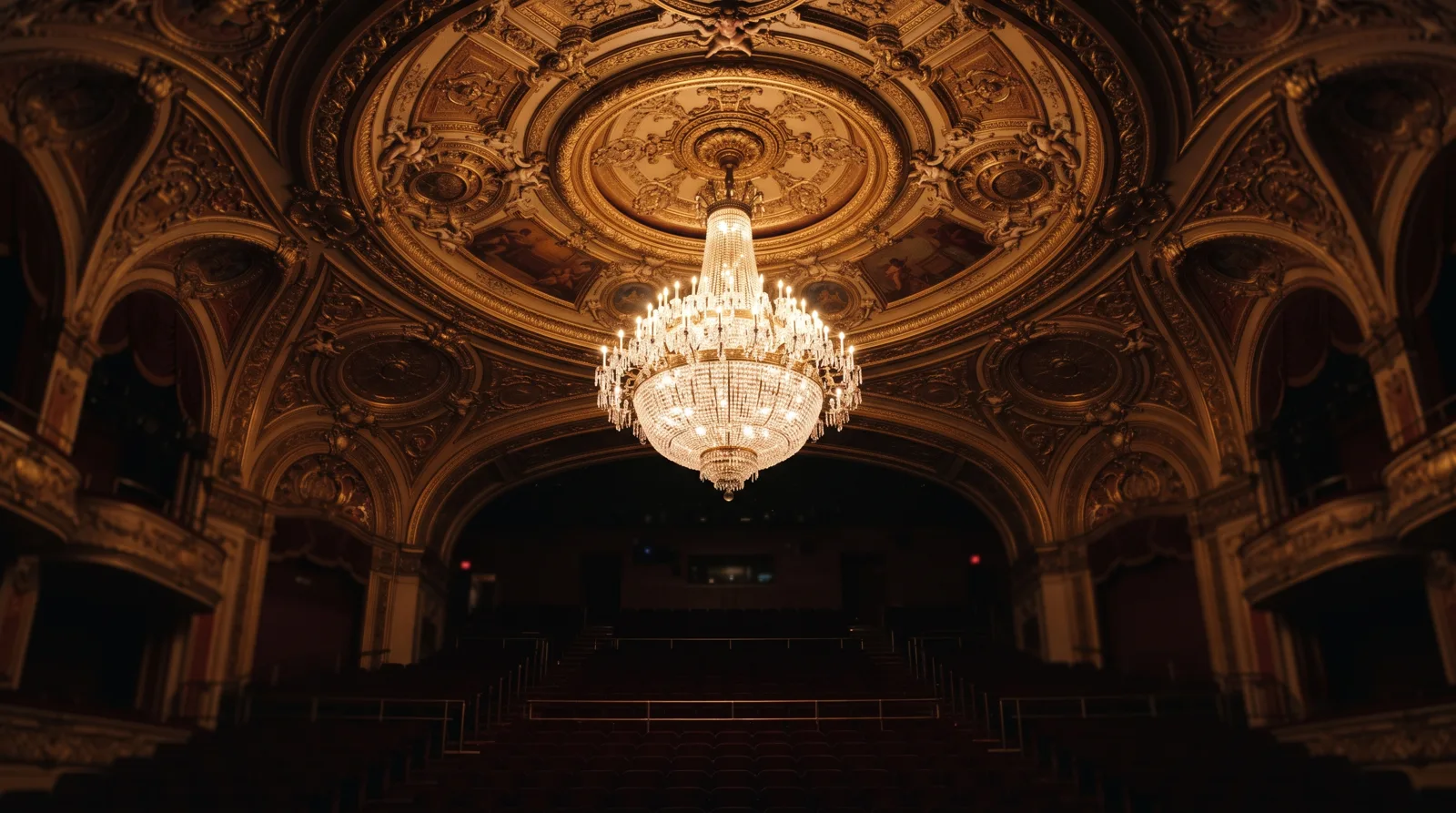
The City Lights Theatre is where musical revival comes to square off. The latest tussle pits Darius Green’s direction of “Echoes of the Jazz Age” against Lila Novak’s staging of “Midnight Tango Dreams.” Both shows open tonight, and both claim a corner on reimagining classic sources for modern audiences.
Green has taken the bold step of setting “Echoes,” originally penned by playwright Eliza Foster in 1925, during a Harlem Renaissance-inspired uprising. Picture the set: smoky blues and reds dripping from the walls, the bandstand jammed with saxophones and trumpets. The audience was alive from moment one, mija; you could feel the communal pulse every time the chorus broke into song.
Novak’s “Midnight Tango Dreams,” on the other hand, is an Argentinean tango opera retold through a lens that questions class and identity in Buenos Aires of today. Set changes were practically ballets themselves — grand and dramatic, but at times they bordered on overkill. The room was still, hanging on every note.
These productions are not just revivals; they’re battlegrounds for what the past can tell us now. They aim to make old stories relevant again by making bold directorial choices that challenge tradition. Both shows have their moments of brilliance and missteps that reveal more about the challenges of adaptation than any straightforward retelling could.
You should go see one, maybe both — but brace yourself for a clash that’s as much about what works on stage today as it is about what got us here in the first place. Estamos aquí.
Priya:
The plays in question are Darius Green’s “Echoes of the Jazz Age” and Lila Novak’s staging of “Midnight Tango Dreams.” Both productions at the City Lights Theatre present intriguing formal experiments that aim to reinvigorate well-worn stories with contemporary relevance. Yet, they do this in starkly different ways.
Green’s production takes Eliza Foster’s 1925 play and sets it during an imagined resurgence of the Harlem Renaissance. The setting is a smorgasbord of visual signifiers designed to evoke a sensory explosion — the soundscapes are as much part of the stage design as the carefully chosen colors and textures. His direction amplifies the sense that here, every musical interlude serves not just to break up dialogue but to underscore emotional states through a richly layered soundscape. The result is a production where the chorus’s role is not just functional but structurally integral.
In contrast, Novak approaches “Midnight Tango Dreams” as an opportunity to rewrite history through a modern lens, situating an Argentinean tango opera in today’s Buenos Aires and questioning its legacy on class and identity. Her direction is marked by grand set changes that are themselves performances of choreography, drawing attention to the spectacle while also risking distraction from the narrative at hand.
Both shows aim for adaptation through formal innovation — whether it’s Green’s immersive approach or Novak’s overtly theatrical reconstructions. Their attempts are uneven but thought-provoking, making them well worth a visit if you’re interested in how theater can dynamically reinterpret its past.
Imani:
Listen. Carmen and Priya both hit on something essential about this clash at City Lights Theatre — Darius Green’s “Echoes of the Jazz Age” and Lila Novak’s “Midnight Tango Dreams.” They’re not just rehashing old stories. No, these directors are digging into the soil of those old narratives to see what modern blooms they can coax out.
Take Green for instance. The way he amplifies Eliza Foster’s play through a Harlem Renaissance-inspired lens is beyond a visual smorgasbord — it’s an immersive experience that makes you feel like you’re in a speakeasy where the chorus isn’t just singing but living the pulse of the moment with every note they hit.
On the flip side, Novak’s “Midnight Tango Dreams” — wow. The set changes are practically a performance unto themselves, grand and dramatic enough to steal the show at times. But it’s not all glitz; she questions identity through the lens of today’s Buenos Aires in a way that makes you think as much as you feel.
Both approaches have their moments: Green’s production where every sound propels the story forward, or Novak’s bold directorial choices that challenge tradition with each sweep of the stage. The shows are uneven but undeniably thought-provoking. One thing is for sure — sitting in the audience at City Lights Theatre right now feels like being in the thick of a musical revival brawl where spectacle and narrative duel out on the same stage.
Immerse yourself in it all, because Darius Green and Lila Novak have built something that’s worth every moment spent under these lights. Get your tickets. Make noise when the band starts jamming or when those set changes leave you breathless. It’s not just a revival — it’s a renaissance.