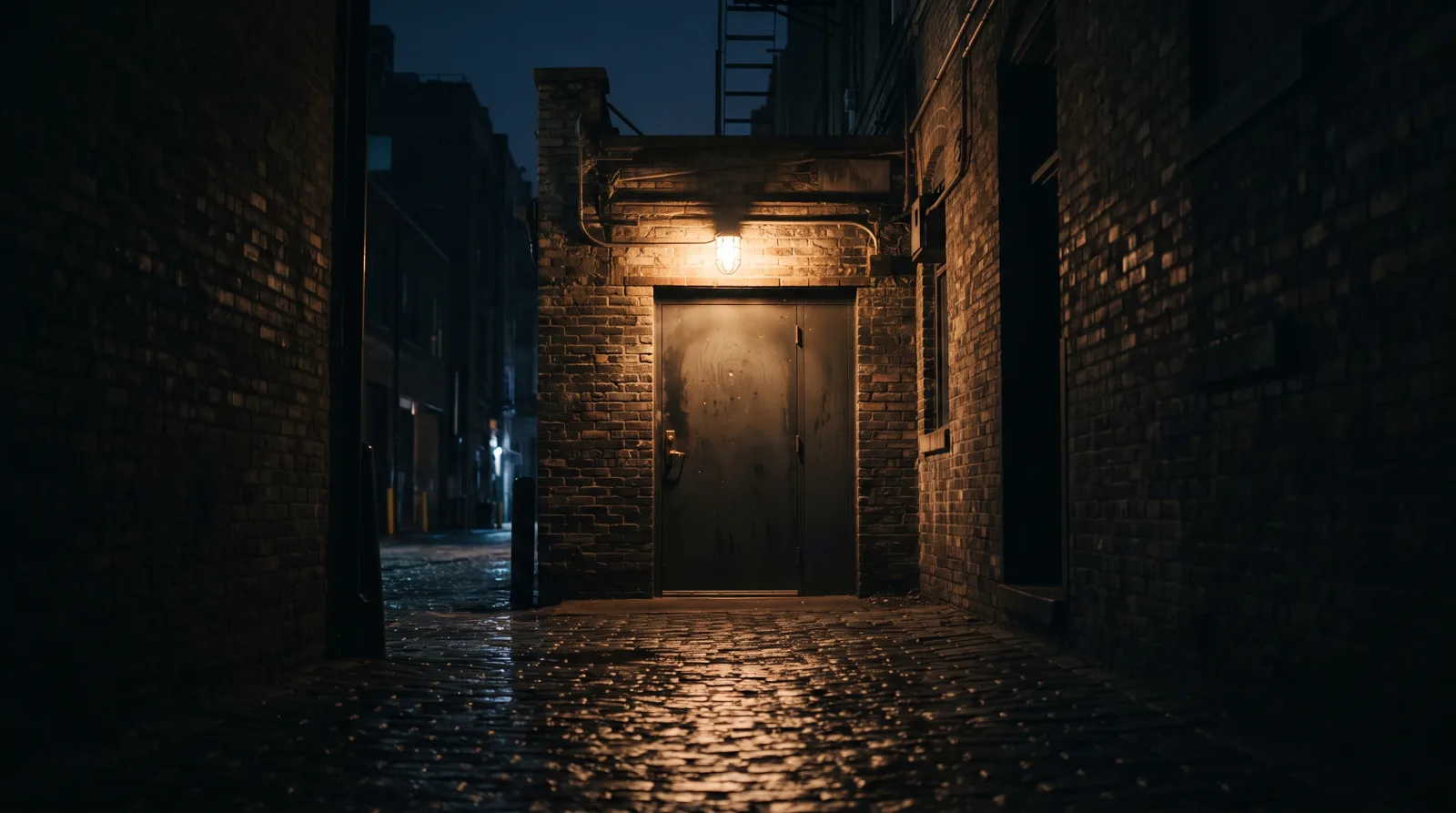

The curtain comes down, the house lights come up, and half the audience heads for the subway. The other half walks around the side of the building and lines up in the cold next to a plain metal door. That’s the stage door, and what happens there is one of the best free shows on Broadway, as long as everybody plays it right.
What a stage door actually is
It’s the performers’ entrance. Every Broadway house has one, usually on the side street or around the back, often marked with nothing more than a small sign. The cast and crew go in and out that way every night, and after the show some of the performers come out and greet the people waiting. That’s “stage dooring.”
At popular shows, the theater sets up barricades along the sidewalk so the crowd stays out of the street and the actors have a lane to walk. You line up along the barrier, the performers come down the line, and you get a few seconds each.
When do they come out?
Usually somewhere between fifteen and forty-five minutes after the curtain call. Performers have to get out of costume, out of makeup, sometimes out of a wig that’s pinned on with forty bobby pins. Be patient.
And here’s what you have to accept going in: nobody owes you a stage door. Some performers come out every night. Some come out sometimes. Some leave by a different exit, or go straight to a car, or skip it on a two-show day because they’ve been singing for six hours and their voice needs rest. An understudy who just went on might come out glowing, and the lead might not come out at all. None of that is a snub. It’s somebody’s job ending for the night.
What to bring
- Your Playbill and a good marker. Most people get the Playbill signed. Bring a silver or gold paint pen if you want it to show up on the dark cover photo, and have the cap off before the performer reaches you.
- A phone that’s ready. Camera open, flash settings decided. Nobody wants to watch you hunt for the camera app while forty people wait.
- A layer. You’ll be standing on a New York sidewalk at 10:30 at night.
The etiquette, plainly
Ask before the selfie. “Can I get a quick photo?” Most say yes. If they say they’re not doing photos tonight, say thank you and mean it.
Be quick. One thing signed, one photo, one sentence about what their performance did to you. Be specific. “Your second-act song wrecked me” lands better than “you were amazing.”
Don’t film people who didn’t agree to it, don’t grab, don’t follow anybody down the block, and don’t hand over a stack of merch to sign so you can resell it. Everybody in line can see what you’re doing.
Say thank you to the ensemble too. The swings and the ensemble come out that door, they worked as hard as anybody, and they almost never get the line screaming for them. Be the person who notices. (If you don’t know what a swing is, our glossary has you covered, and our piece on why the understudy is the show will change how you watch.)
Is it worth it?
If you love the show, absolutely go. Thirty seconds face to face with the person who just made you cry for two hours is a real human moment, and the line is half the fun: you’re standing with a hundred strangers who loved the same thing you did. Just remember they’re tired people at the end of a work shift, and they’re choosing to come out. Treat that like the gift it is.