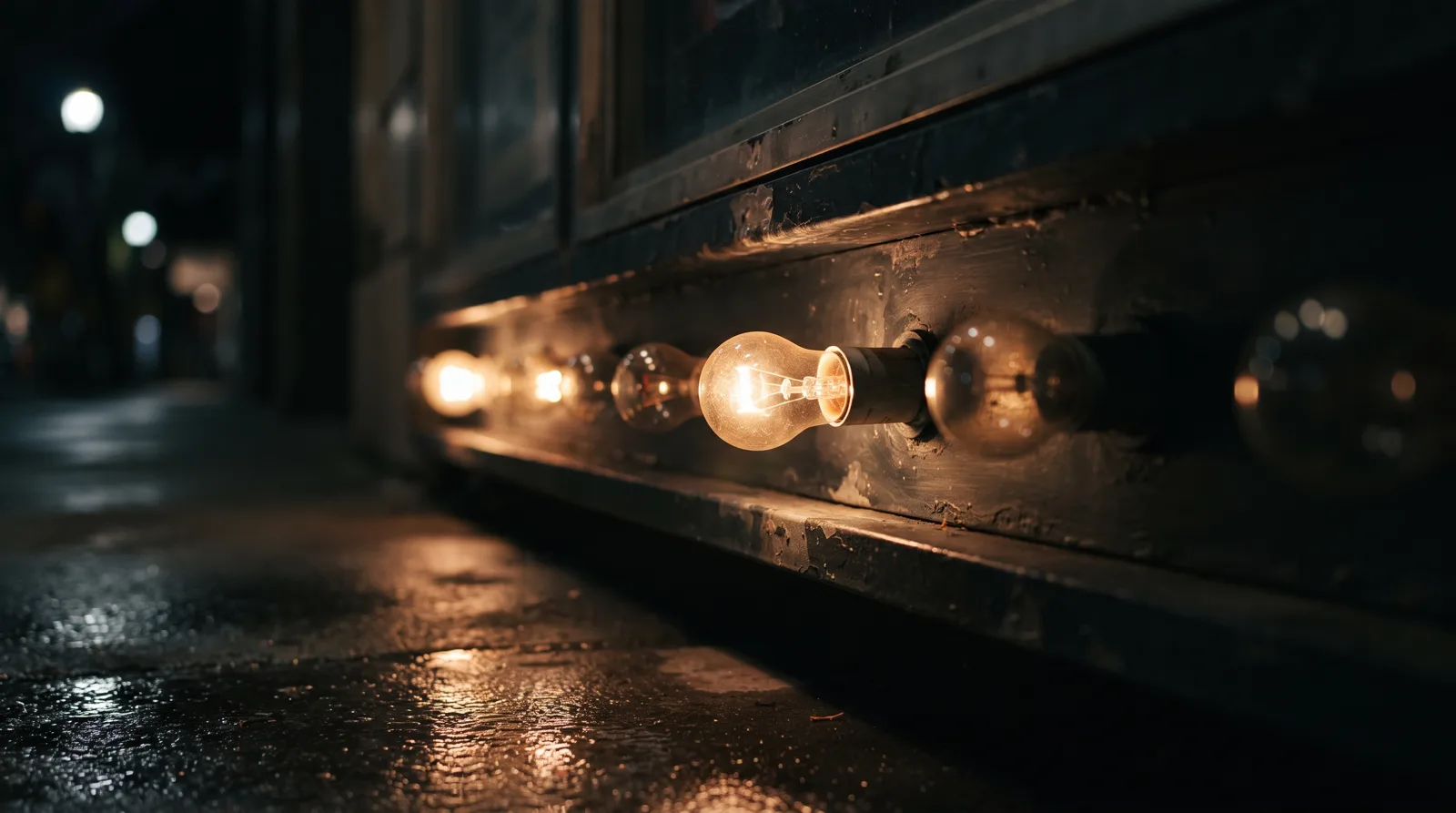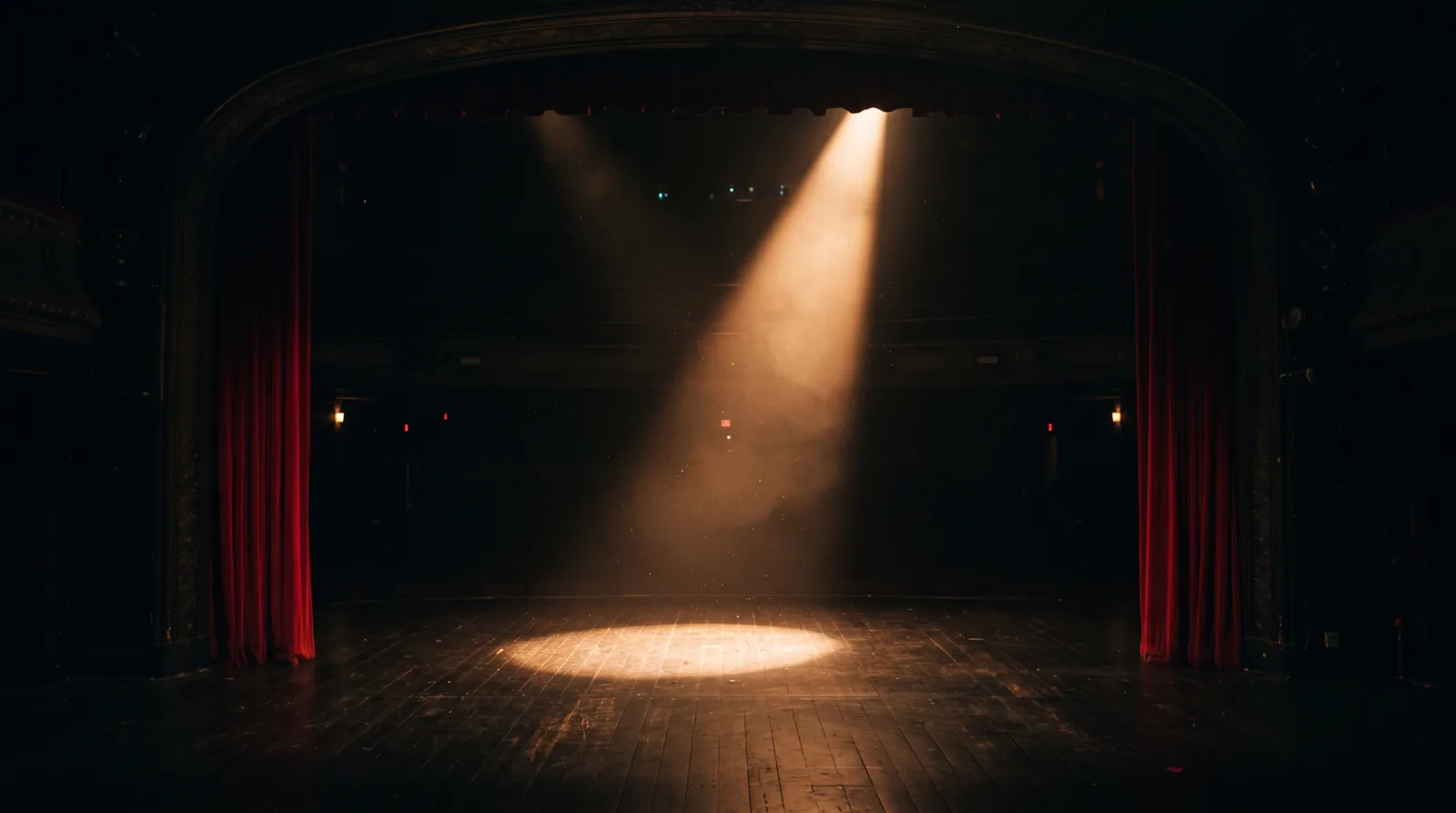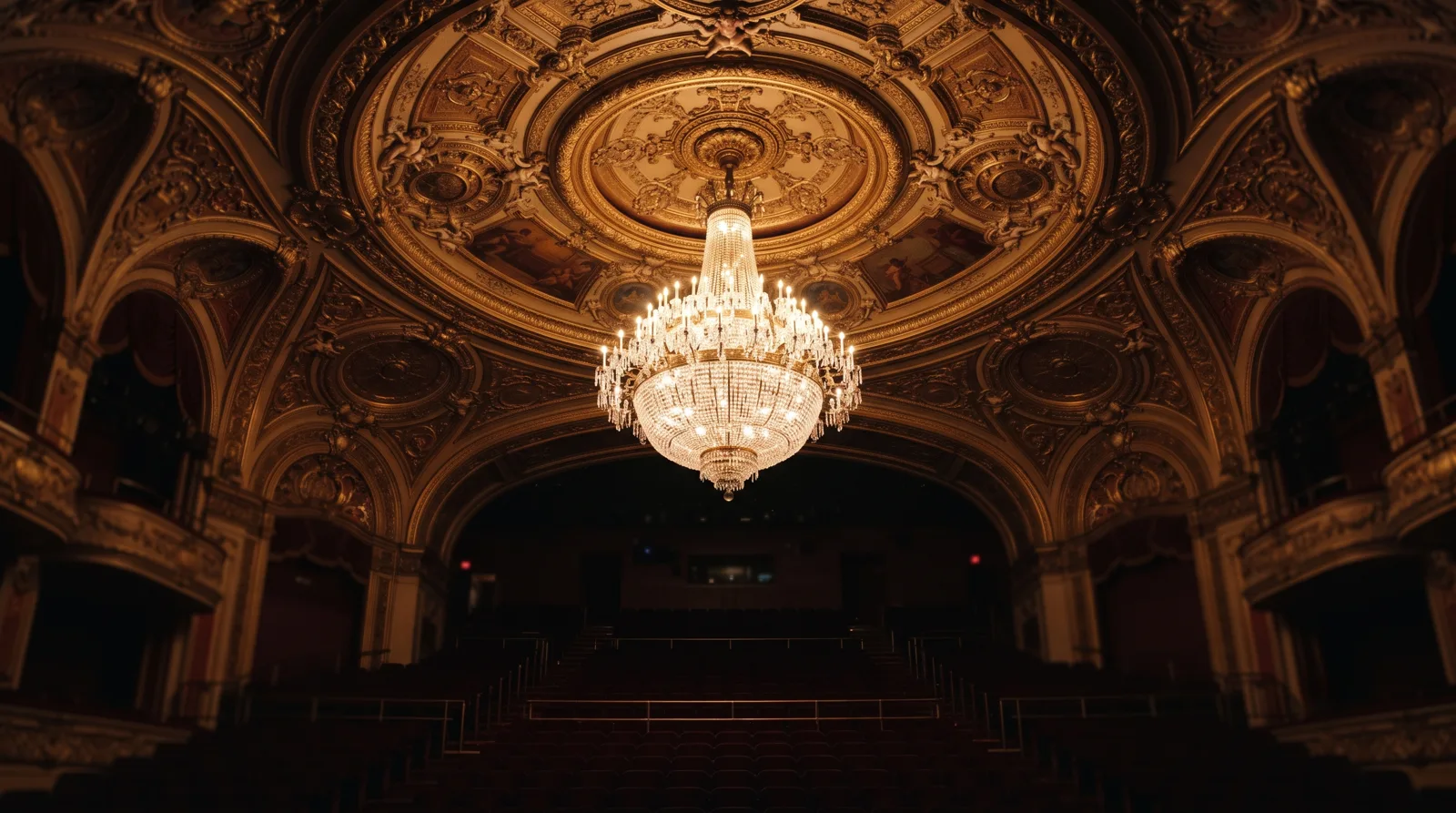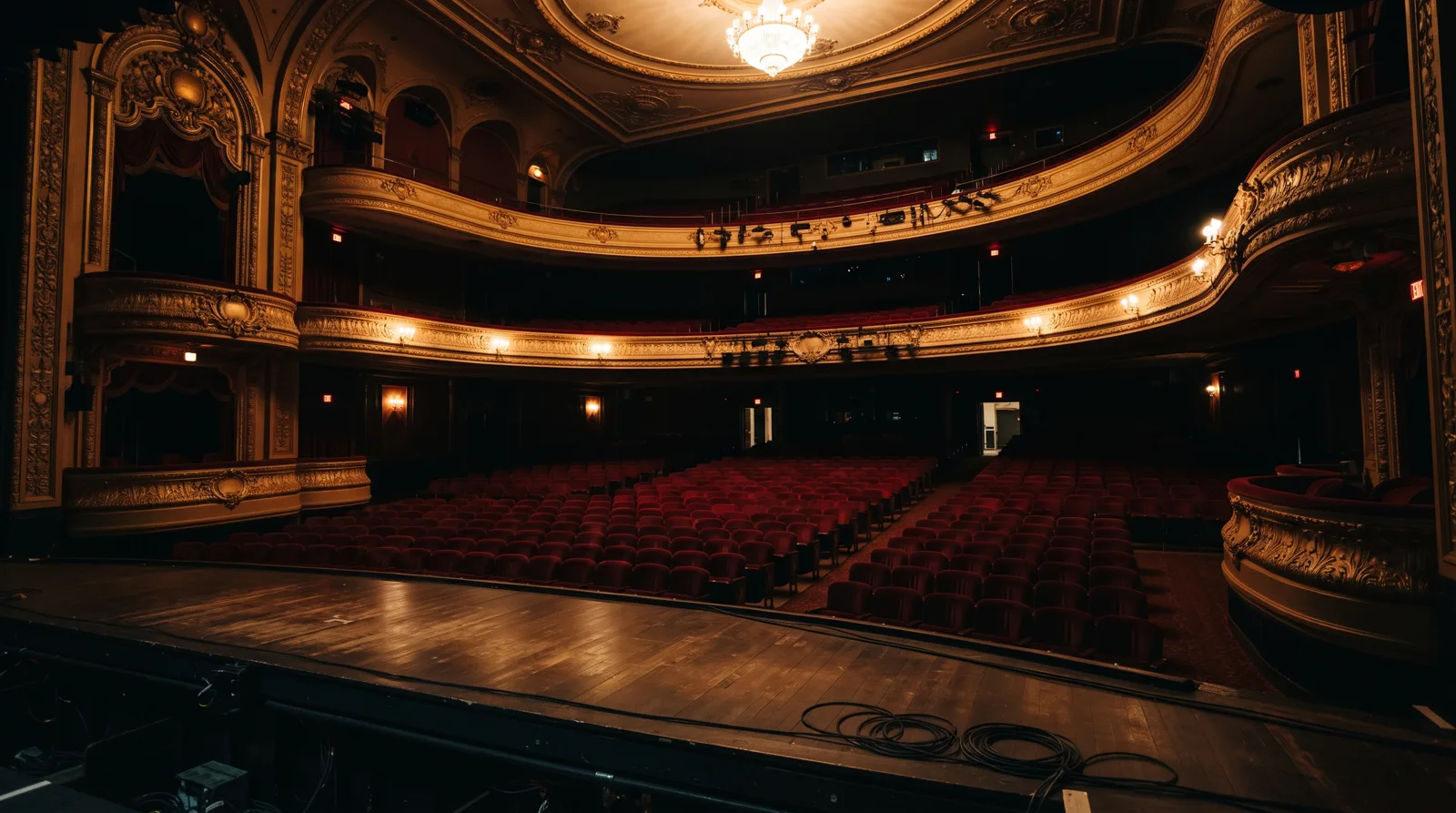

The news that Lateral Line is extending through August 22nd gives everyone who missed Davi Okonkwo’s site-specific play at the Meridian Building a second shot at the most formally interesting piece of new work I’ve seen in downtown theater this year.
Harbor Stage confirmed the extension yesterday — twelve additional performances in the same pre-war walkup on Ludlow where the play has been running since July 1st. The building is the set, the set is the argument, and the argument is about what it means to inhabit a structure that was never designed to contain the people it ended up containing.
Okonkwo’s formal premise is this: the play follows three households across four decades of a single floor, and you move with them. Not through theatrical space representing a building — through the actual building, its stairwells, its corridors, its doors that don’t close flush and floors that remember every weight that has crossed them. Director Suki Parmar has staged the play’s chronology against the building’s geography so that moving forward in space and backward in time happen simultaneously. When you arrive at the end — a landing, a window, a view of a block that is no longer the block the play described at the beginning — the form has done emotional work that exposition couldn’t have.
This is environmental theater in the tradition that Richard Schechner theorized and that downtown New York has been doing imperfectly ever since — but Okonkwo is less interested in immersion as sensation and more interested in it as grammar. What does the body learn from walking a hallway thirty years after the family who walked it every day? That’s the question the structure is asking, and it’s the right question.
Where Lateral Line falls short is in its third household — a subplot involving a building superintendent that is plainly meant to triangulate the play’s argument about maintenance and neglect, but which Okonkwo hasn’t written with the same density as the other two families. The scenes feel explanatory in a way the rest of the play refuses to be. Parmar makes the most of them through blocking that keeps the superintendent in perpetual motion — fixing, adjusting, circling — but the dialogue is carrying too much thematic weight that the structure hasn’t been allowed to carry instead.
That is a specific limitation, not a fatal one. The cast assembled to perform in this space — particularly Eleni Drost as the building’s longest-running tenant and Kwame Asei as her son, who returns twenty years after leaving and doesn’t recognize the walls — does work that wouldn’t land in a theater building. They need the actual floors, the actual light through actual windows, for the stakes to be physical in the way Okonkwo needs them to be.
Lateral Line is worth your time because it asks a formal question — can architecture function as dramaturgy? — and answers it specifically enough that you leave with a position. Tickets for the extended run are available through Harbor Stage’s website. Get there before August.